Navigating Property Dispute Resolution in Massachusetts: A Comprehensive Guide
Property disputes can be a complex issue for many residents and businesses in Massachusetts. Whether you are dealing with boundary issues, easements, or disagreements over property use, navigating the dispute resolution process can be daunting. Understanding the available options is crucial for a successful resolution.
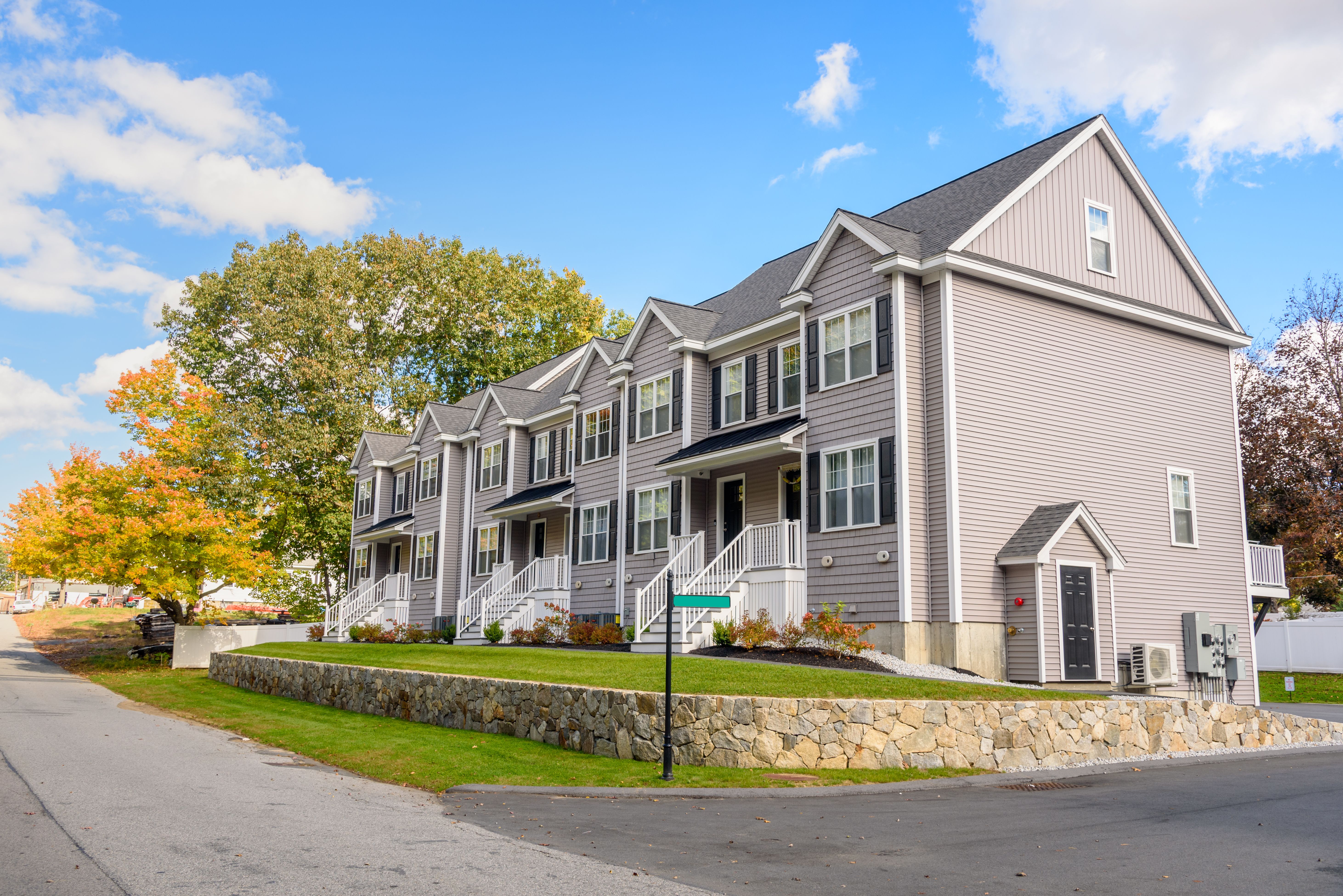
Understanding Common Property Disputes
Various types of property disputes occur in Massachusetts. Some of the most common include boundary disputes, where neighbors disagree over the property line, and easement disputes, which involve disagreements over the right to use another person's land for a specific purpose. Additionally, landlords and tenants may face conflicts over lease terms and property maintenance.
Boundary Disputes
Boundary disputes often arise when the exact lines dividing two properties are unclear. These issues can stem from historical inaccuracies in land surveys or differing interpretations of deeds. Resolving boundary disputes typically requires a professional land survey and, in some cases, legal intervention.

Easement Disputes
Easements grant individuals the right to use another person's property for a specific purpose, such as access to a road or utilities. Disputes can occur when the terms of the easement are unclear or contested. Consulting with a legal expert can help clarify these terms and facilitate a resolution.
Steps to Resolve Property Disputes
Resolving property disputes in Massachusetts involves several steps. Understanding these steps can help parties reach an amicable solution without unnecessary legal battles.
1. Open Communication
Start by engaging in open and honest communication with the other party. Discuss the issues at hand and try to reach a mutual agreement. This approach can often prevent the situation from escalating.
2. Mediation
If direct communication fails, consider mediation. Mediation involves a neutral third party who facilitates discussions and helps both sides reach a compromise. It is often quicker and less costly than going to court.

3. Legal Action
When mediation is unsuccessful, legal action may be necessary. Consult with an attorney specializing in property law to explore your options. The court can provide a final resolution, though it can be time-consuming and expensive.
Finding the Right Professional Help
Property disputes can be intricate, requiring expert advice from legal professionals. When selecting an attorney, look for someone with experience in Massachusetts property law and a successful track record in dispute resolution. They can provide invaluable guidance through each step of the process.
In conclusion, navigating property dispute resolution in Massachusetts requires a clear understanding of the types of disputes and the steps necessary for resolution. By approaching the issue methodically and seeking professional help when needed, you can achieve a satisfactory outcome.