Navigating Property Dispute Resolution in Massachusetts: What You Need to Know
Property disputes can be complex and emotionally charged, especially in Massachusetts where historical land divisions and dense urban areas often lead to conflicts. Whether you're a homeowner, landlord, or tenant, understanding the basics of property dispute resolution is essential. This guide will help you navigate these disputes more effectively.
Understanding Common Property Disputes
Property disputes in Massachusetts can arise from a variety of issues. Some of the most common disputes include boundary disagreements, landlord-tenant conflicts, and issues with easements. Recognizing the nature of your dispute is the first step toward resolving it.
Boundary Disputes
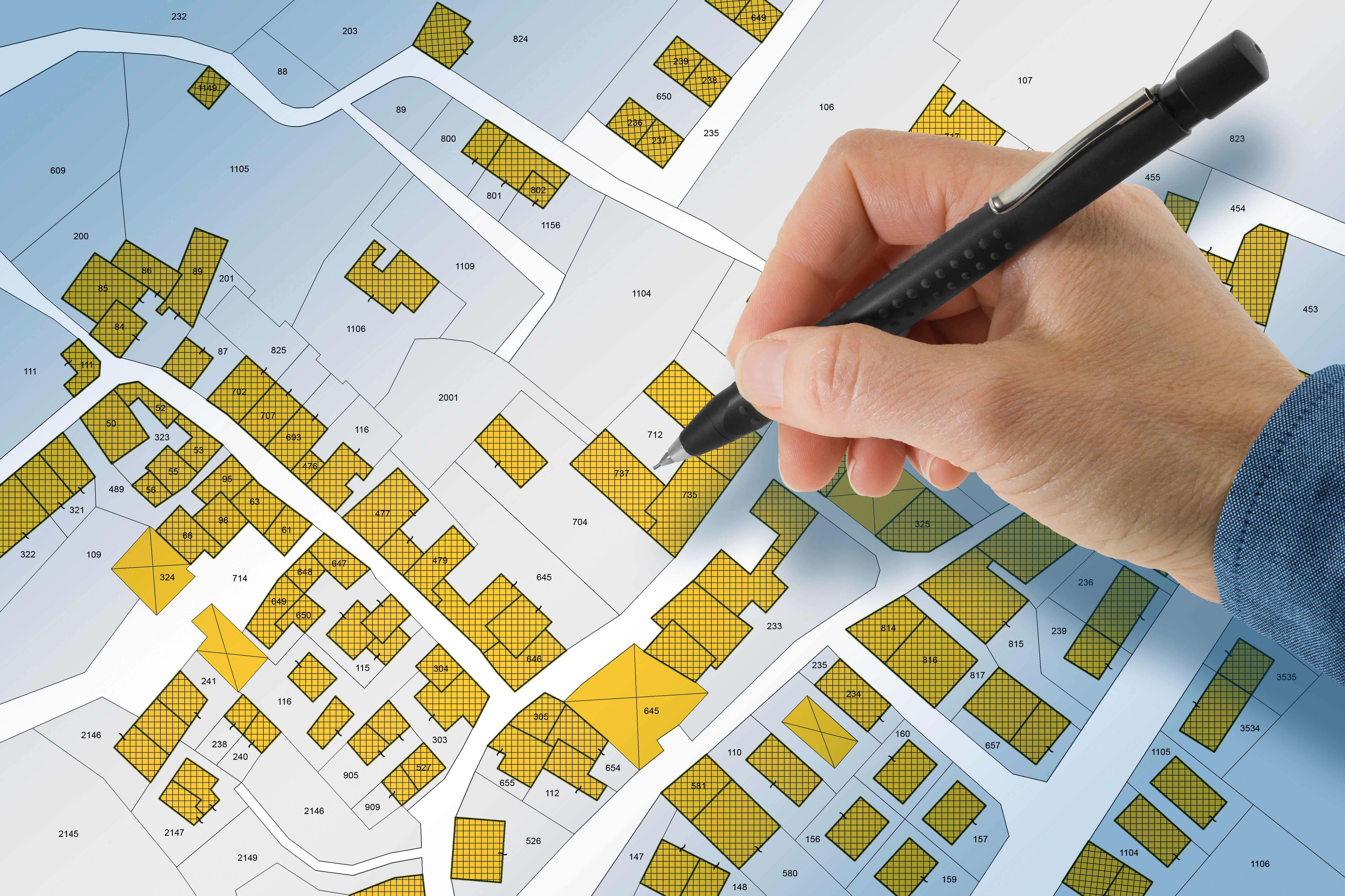
Boundary disputes occur when there is a disagreement over the location of property lines. This can happen due to unclear or outdated property descriptions or when physical markers, like fences, are misplaced. Resolving these disputes often requires a professional surveyor to determine the accurate property lines.
Steps to Resolve Property Disputes
Resolving property disputes can be a multi-step process. It is essential to approach these conflicts with a calm and methodical strategy to avoid unnecessary escalation.
1. Open Communication
Start by discussing the issue directly with the other party involved. Open communication can often lead to a mutual understanding and an amicable resolution. Ensure to document all interactions for future reference.
2. Mediation
If direct communication fails, mediation is a valuable next step. In Massachusetts, mediation services are available to help parties reach a voluntary agreement without going to court. A neutral third-party mediator facilitates the discussion, helping both sides explore possible solutions.

Legal Options for Property Dispute Resolution
When informal methods do not resolve the issue, legal action might be necessary. Understanding your legal options can help you decide the best course of action.
Small Claims Court
For disputes involving smaller monetary values, small claims court is a cost-effective option. It provides a faster, more straightforward process compared to higher courts, though it may not be suitable for all types of disputes.
Filing a Lawsuit
If the dispute involves significant issues or values, filing a lawsuit in the Massachusetts court system may be required. This process can be lengthy and expensive, so it's important to consult with a legal professional to evaluate your case thoroughly.

Conclusion
Navigating property disputes in Massachusetts requires a clear understanding of both the nature of the dispute and the available resolution methods. Whether through communication, mediation, or legal action, knowing your options can help you resolve conflicts effectively. Always consider seeking professional advice to ensure the best possible outcome.